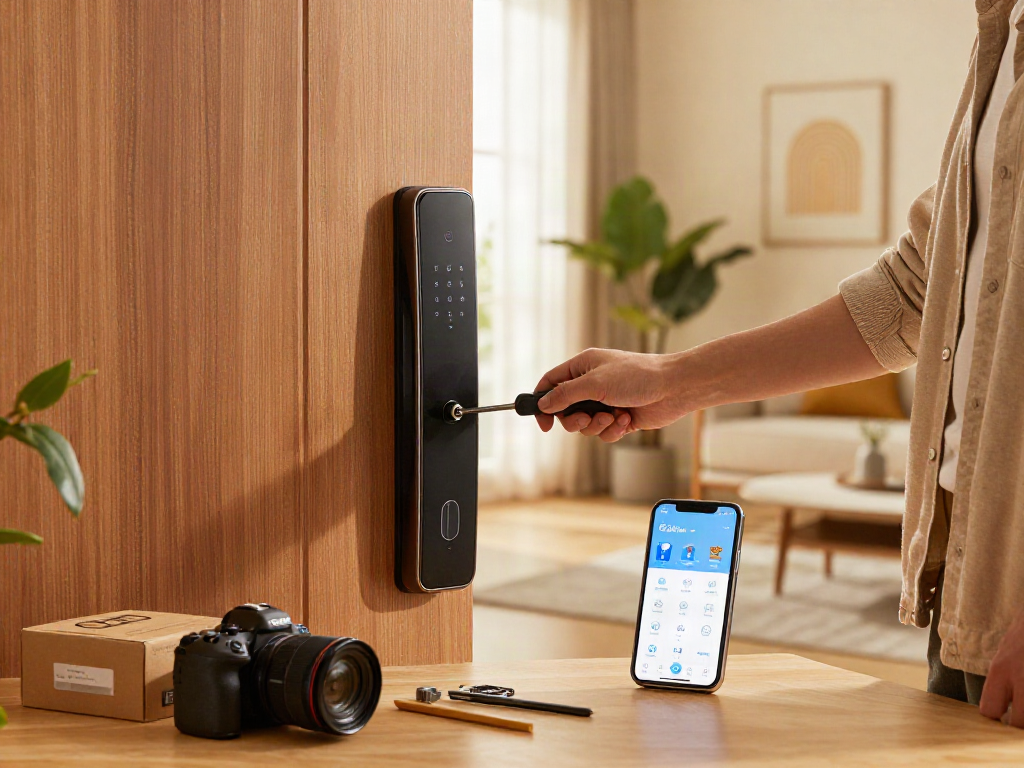
Understanding Smart Locks: What is a قفل هوشمند?
In recent years, the concept of home security has evolved significantly, leading to the rise of intelligent solutions that cater to modern living. Among these, the قفل هوشمند, or smart lock, has emerged as a key innovation, transforming the way we secure our homes. These locks enhance traditional locking mechanisms with cutting-edge technology, offering features like remote access, smartphone integration, and advanced security protocols. Understanding what a smart lock is and how it functions is essential for homeowners looking to enhance their security systems effectively.
Definition and Functionality of Smart Locks
A smart lock is an electronic locking device that allows users to lock and unlock doors from a distance using a smartphone, tablet, or computer. Many smart locks utilize Bluetooth, Wi-Fi, or Z-Wave technology to communicate with a user's smart device. The primary functions include keyless entry, remote locking and unlocking, and programmable access for multiple users.
Moreover, smart locks often come with backup physical keys to ensure security in case of technology failure. With the integration of additional features such as biometric scanning, users can enhance security by using fingerprints or facial recognition, ensuring that only authorized individuals have access.
How قفل هوشمند Enhances Home Security
The increasing sophistication of home security systems has positioned smart locks as indispensable tools for enhancing safety. By eliminating the need for physical keys, smart locks reduce the risk of losing keys or having them stolen. Furthermore, many smart locks have features that alert homeowners when someone enters or attempts to access their home, providing real-time notifications that enhance peace of mind.
Additionally, the ability to monitor access and control locks remotely means homeowners can securely allow guests or service providers into their properties without being physically present. This capability not only enhances convenience but also reinforces security by providing a visual log of entries and exits through the corresponding smartphone app.
Key Features to Look for in a Smart Lock
When selecting a smart lock, consider the following key features to ensure that it meets your needs:
- Smartphone Compatibility: Ensure the lock can integrate with both Android and iOS devices.
- Access Control: Look for locks that allow you to create temporary access codes for guests or service providers.
- Security Features: Opt for locks with built-in alarms, tamper alerts, and encryption technologies.
- Battery Life: Check the battery performance and look for locks that notify you when the battery is running low.
- Design and Build Quality: Choose locks that are weather-resistant and built to withstand tampering.
Benefits of Implementing a قفل هوشمند
Convenience and User Experience Improvements
The technology behind smart locks provides unparalleled convenience compared to traditional locking systems. Homeowners can say goodbye to fumbling for keys or worrying about lost keys. Instead, they can unlock their doors using their smartphones, voice commands, or smart home systems, making home entry seamless. In addition, the ability to provide temporary access to guests without sharing physical keys enhances the user experience significantly.
Integration with Smart Home Systems
Smart locks can easily integrate with other smart home devices, including lighting systems, security cameras, and alarm systems. This interconnectivity allows users to create customized scenarios, such as automatically unlocking the door when a homeowner approaches and disarming the security system simultaneously. Such integrations not only enhance security but also create a more connected and intuitive home environment.
Remote Access and Monitoring Capabilities
One of the most significant benefits of a قفل هوشمند is the ability to control it remotely through a smartphone app. Users can lock or unlock doors from anywhere, enabling them to manage access without being physically present. Moreover, many smart locks provide real-time notifications, allowing homeowners to monitor who enters or exits their homes, ensuring that they always remain aware of their security.
Challenges and Considerations When Choosing a قفل هوشمند
Common Misconceptions About Smart Locks
Despite the many advantages of smart locks, there are several misconceptions that may deter potential users. One common belief is that smart locks are vulnerable to hacking. While there are security risks associated with any technology, reputable smart lock manufacturers employ stringent security measures such as end-to-end encryption and regular software updates to mitigate these risks.
Another misconception is that smart locks are unreliable. Advanced smart locks have shown to be highly reliable, leveraging robust technologies that often exceed the performance of traditional locks.
Security Risks and How to Mitigate Them
To enhance security, it’s essential to adopt best practices when using smart locks. This includes regularly updating the lock's firmware to address any vulnerabilities and using strong, unique passwords for your accounts. Additionally, pairing your smart lock with other security measures, such as surveillance cameras and alarms, provides an extra layer of protection against potential intrusions.
Compatibility Issues with Existing Hardware
Before purchasing a smart lock, check its compatibility with your existing door hardware. Some smart locks are designed to replace standard deadbolts, while others may require additional modifications. Knowing the specifications of your current door setup will help you choose the right smart lock and avoid costly installation issues.
Top Brands and Models of قفل هوشمند in 2026
Review of Leading Smart Lock Brands
As of 2026, several brands have established themselves as leaders in the smart lock industry. Brands like August, Schlage, and Yale offer a wide range of smart locks that cater to various security needs and budgets. Each of these manufacturers has developed unique features, such as Bluetooth connectivity, Wi-Fi integration, and compatibility with home automation systems.
Comparison of Popular قفل هوشمند Features
When comparing different smart locks, it's important to evaluate their features based on user needs. Key considerations should include ease of installation, battery life, security features, and user-friendly app interfaces. For instance, some models allow for fingerprint access, while others support voice commands through smart assistants like Amazon Alexa or Google Assistant.
What to Expect from New Features in Smart Locks
The smart lock industry is continually evolving, with new features being introduced regularly. Future advancements may include improved biometric security, enhanced AI capabilities for user recognition, and advanced data analytics for monitoring access patterns. With these innovations, smart locks will become even more integral to modern home security systems.
Future Trends in Smart Lock Technology
Predictions for Smart Security in 2026 and Beyond
The future of smart security, particularly regarding smart locks, is bright. As technology advances, we can expect greater integration of IoT devices within our homes, enabling even smarter security systems. By 2026, the emphasis will likely be on seamless user experiences, where smart locks are part of a holistic home automation framework that enhances both security and convenience.
Impact of IoT on Home Security Systems
The Internet of Things (IoT) is reshaping home security by connecting devices and allowing for real-time communication. Smart locks will increasingly utilize IoT technology to provide users with advanced features such as remote monitoring, predictive analytics, and automation of security protocols based on user behavior. This connectivity will ensure that homes are not only secured but also responsive to the changing needs of their occupants.
Emerging Technologies for Enhanced Security
As smart locks evolve, emerging technologies like artificial intelligence (AI) and machine learning will play a significant role in enhancing security. These technologies can analyze data patterns to identify unusual behavior, providing alerts to homeowners and potentially preventing security breaches before they occur.