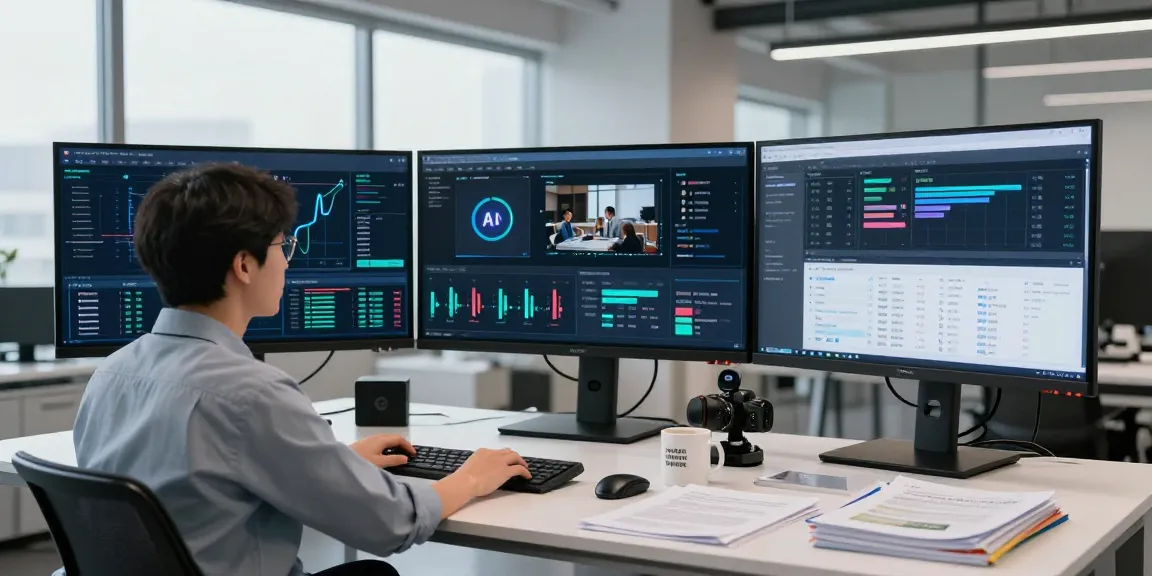
Understanding AI Image Detection Technology
As the digital landscape continues to evolve, the importance of ensuring content authenticity has never been greater. With the proliferation of AI-generated media, businesses and platforms are increasingly turning to advanced solutions to tackle content moderation challenges. An AI image detector is a sophisticated tool that analyzes images and identifies whether they have been generated or manipulated by artificial intelligence (AI). These cutting-edge technologies are vital for maintaining community standards and trust, especially in environments where user-generated content is prevalent.
What is AI Image Detection?
AI image detection refers to the process of utilizing artificial intelligence algorithms to analyze and identify the characteristics of images. This technology can discern AI-generated images from authentic ones by comparing various features, patterns, and metadata within the images. By employing a range of machine learning techniques, including deep learning and neural networks, AI detectors can recognize and categorize content with remarkable accuracy. Among the most significant advantages of this technology is its ability to not only detect AI-generated images but also flag inappropriate or harmful content.
Key Applications in Content Moderation
The application scope of AI image detection spans various industries, providing critical support for content moderation efforts. From social media platforms to e-commerce sites, businesses are leveraging this technology to enhance user safety and maintain community integrity. For instance, AI detectors can effectively identify explicit content, hate speech, and misinformation, enabling administrators to take timely action. Moreover, companies are increasingly dependent on solutions that can detect AI image generation across multiple content categories, ensuring comprehensive coverage of potential issues.
How Does AI Image Detection Work?
AI image detection operates through intricate algorithms that analyze image data in real-time. Initially, the algorithms are trained on extensive datasets consisting of both AI-generated and authentic images. This training phase equips the AI with the ability to discern subtle differences in texture, color patterns, and object recognition. Once deployed, the system continuously learns from new data inputs, enhancing its proficiency and accuracy over time. When an image is uploaded, the detector performs a multi-faceted analysis, assessing factors such as composition, pixel arrangement, and metadata before delivering actionable insights.
Importance of Accurate AI Image Detection
As the threat landscape evolves, the accuracy of AI image detection has become paramount. Inaccurate detections can lead to significant consequences, including user dissatisfaction and a damaged reputation. Therefore, businesses must prioritize solutions that minimize false positives while ensuring robust content moderation.
Reducing False Positives in Content Moderation
One of the core challenges faced by content moderation platforms is the incidence of false positives—instances where innocent content is mistakenly flagged as problematic. High false-positive rates can alienate users, causing frustration and potentially driving them away from the platform. By refining detection algorithms and employing context-aware technologies, AI image detectors can significantly reduce these errors. This is essential for maintaining a positive user experience and fostering community trust.
Enhancing User Safety and Community Trust
Accurate AI image detection plays a crucial role in protecting users from harmful content. By filtering out inappropriate material, platforms can create a safer environment for their communities. Furthermore, businesses that actively ensure user safety through effective moderation strategies are more likely to build trust and loyalty among their audience. The implementation of AI detection solutions with proven accuracy demonstrates a commitment to protecting users and upholding community standards.
Use Cases: Real-World Examples of Detection Technology
Several industries have successfully harnessed AI image detection technology to bolster their content moderation efforts. For example, social media platforms use these tools to identify and remove explicit or harmful images quickly. Similarly, e-commerce websites leverage AI detection to prevent the circulation of counterfeit products by verifying the authenticity of product images. In journalism, media organizations are employing AI detectors to ensure the credibility of visual content before publication, fostering trust among readers. These real-world applications highlight the versatility and necessity of AI image detection in various contexts.
Evaluating Costs of AI Image Detection Solutions
When considering the implementation of an AI image detection system, it is vital to assess the associated costs and potential return on investment (ROI). Understanding the financial implications of these solutions will enable businesses to make informed decisions regarding their content moderation strategies.
Cost Breakdown: Software Licensing and Implementation
The initial costs of AI image detection solutions can vary significantly depending on the provider and the functionality required. Most companies charge for software licensing, either on a subscription basis or through a one-time fee. Additionally, the implementation costs often include system integration, training, and ongoing support services. Organizations should consider these factors when budgeting for AI moderation solutions to ensure they can adequately support their moderation requirements.
Long-Term Value: ROI of AI Moderation Services
Investing in AI image detection can yield significant long-term value for businesses. By minimizing the risk of harmful content exposure and enhancing user satisfaction, companies can expect a reduction in customer churn and an increase in brand loyalty. Furthermore, efficient content moderation reduces the workload on staff, leading to improved operational efficiency. This long-term ROI justifies the initial investment in AI solutions, especially as the digital landscape continues to expand.
Scalability: Costs as Your Business Grows
One of the most appealing aspects of AI image detection solutions is their scalability. As a business grows and its content volume increases, its moderation needs become more complex. Many providers offer scalable pricing models that adjust based on usage, enabling organizations to expand their AI image detection capabilities as their demands evolve. This flexibility allows companies to tailor their solutions to meet their specific needs without incurring excessive costs.
Choosing the Right AI Image Detector for Your Needs
Selecting an AI image detection solution that aligns with your business goals and content moderation needs is essential for maximizing effectiveness. With various tools available in the market, organizations must carefully analyze their options before making a decision.
Customizable Features and Moderation Rules
One of the defining characteristics of a successful AI image detector is its customizability. Businesses should seek solutions that allow for tailored moderation policies to address their specific requirements. The ability to configure rules based on content types, industry norms, and community standards ensures a more precise and relevant moderation process. Customizable features help organizations remain agile in the face of evolving content challenges.
Comparing Top AI Image Detection Tools
When evaluating AI image detection tools, businesses should compare the performance of different products. Key factors to consider include detection accuracy, the speed of analysis, ease of integration, and the breadth of content categories covered. Reading user reviews and case studies can provide valuable insights into the effectiveness of various solutions in real-world scenarios.
Finding a Solution That Fits Your Industry
Different industries face unique challenges regarding content moderation. Therefore, it is crucial to find an AI image detection solution specifically designed to meet the demands of your sector. Whether you are operating within social media, e-commerce, or journalism, identifying a provider with expertise in your field will enhance the effectiveness of your content moderation strategies.
Future Trends in AI Image Detection by 2026
As technology continues to advance, the field of AI image detection is expected to evolve significantly. Businesses must stay informed about the emerging trends and innovations shaping this space to remain competitive and effective in their content moderation efforts.
Emerging Technologies and Innovations
By 2026, advancements in AI image detection will likely include the integration of more sophisticated machine learning models, enabling even greater accuracy and efficiency in identifying AI-generated content. Innovations in contextual understanding will allow AI systems to ascertain the implications of an image more effectively, providing deeper insights into its relevance and appropriateness within specific contexts.
Anticipating New Content Challenges
As the methods of generating AI content continue to evolve, so too will the challenges that come with moderating it. Organizations must remain vigilant and adaptive to emerging content threats, such as deepfakes and manipulated media that can deceive audiences. AI image detection tools will need to be at the forefront of these developments to provide reliable solutions for content verification.
Strategic Insights for Staying Ahead in AI Moderation
To stay ahead in AI moderation, businesses should invest in continuous learning and training for their AI systems. Leveraging user feedback and ongoing performance evaluation will be crucial for refining detection accuracy and responsiveness. Collaboration with industry stakeholders can also lead to the sharing of best practices and insights, enhancing the overall effectiveness of AI image detection strategies.
What are the most important features to look for in an AI image detector?
When selecting an AI image detector, critical features to consider include detection accuracy, speed, flexibility in customization, and the ability to cover a broad range of content categories. Additionally, user-friendly interfaces and robust support services should also be prioritized to ensure seamless implementation and ongoing operation.
How can AI image detection enhance user experience?
AI image detection enhances the user experience by creating safer digital environments. By effectively filtering out harmful content, businesses can retain user engagement, foster community trust, and attract new users. An efficient moderation system also reduces clutter, allowing users to focus on valuable and relevant content.
What are the emerging trends in AI moderation technology?
Emerging trends in AI moderation technology include the incorporation of advanced neural networks, real-time detection capabilities, and improved algorithms capable of understanding context and nuance. As AI continues to evolve, these technologies will usher in new levels of accuracy and reliability in content moderation.
How does the cost of AI image detection vary by provider?
The cost of AI image detection solutions can vary widely based on factors such as the complexity of the tool, subscription models, and support services offered. Companies should conduct thorough market research to understand the pricing landscape and choose a solution that provides the best value based on their specific needs.
What industries benefit most from AI image detection?
Industries that benefit significantly from AI image detection include social media, e-commerce, journalism, and online gaming. Each of these sectors relies on effective content moderation to ensure user safety, maintain community standards, and uphold brand reputation.