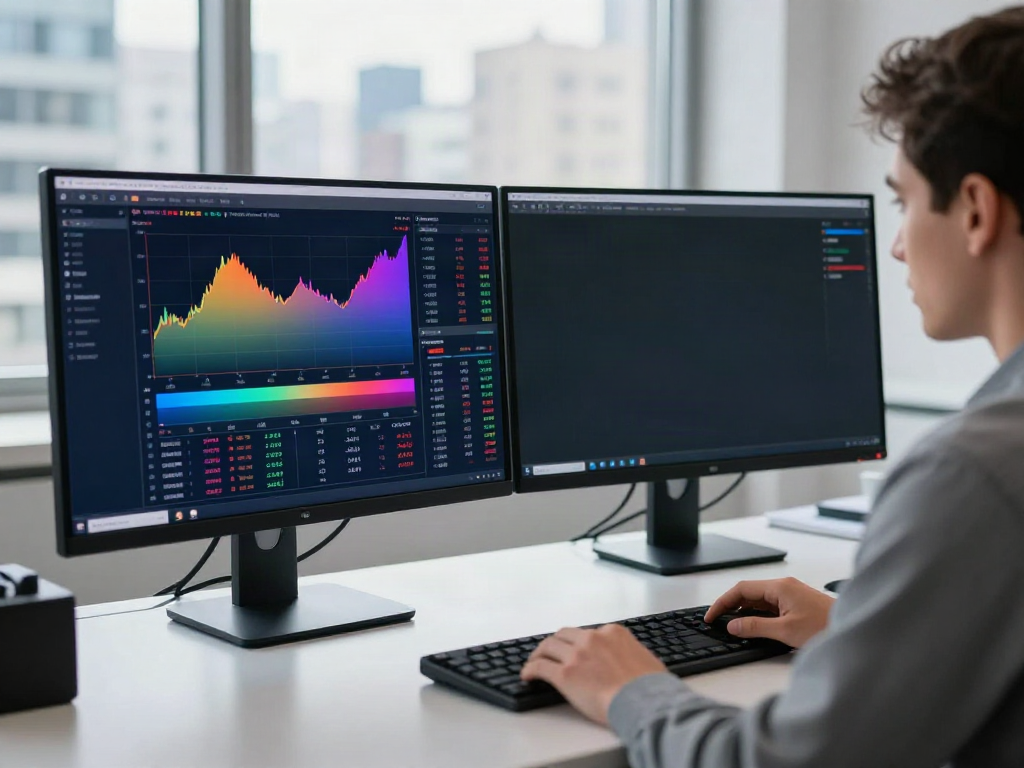
Understanding the Spot Gold Real-Time API
In today’s volatile financial markets, having access to real-time data is crucial for traders and institutions alike. The spot gold real-time API serves as a vital tool, offering immediate and precise information on spot gold prices. This article explores the features and benefits of integrating such an API into trading platforms, highlighting its significance in strategic decision-making.
What is a Spot Gold Real-Time API?
A Spot Gold Real-Time API is a set of protocols that allows users to access live data regarding spot gold prices and other related metrics. This API processes requests and delivers information on current prices, historical trends, and market analysis, enabling traders to make informed decisions quickly. Whether you're an experienced trader or new to the Forex market, having a reliable source of real-time data can significantly impact your trading strategies.
Key Features of Spot Gold Real-Time APIs
- Instant Data Access: APIs provide quick retrieval of real-time price data, aiding in immediate trading actions.
- Historical Data: Users can access past price data to analyze trends, essential for technical analysis.
- Market Depth: This feature shows the supply and demand dynamics for spot gold, enabling traders to gauge liquidity.
- Technical Indicators: Many APIs offer built-in indicators for better market analysis, including moving averages and RSI.
- WebSocket and RESTful Support: Supports both data push and pull methods, offering flexibility in how data is accessed and used.
Benefits for Developers and Financial Institutions
For developers, integrating a Spot Gold Real-Time API into a trading platform streamlines the process of gathering essential market data. Financial institutions benefit from enhanced data accuracy and speed, which are critical for executing large trades effectively. Additionally, institutions can leverage these real-time insights to refine their strategies and improve overall market performance.
How to Integrate Spot Gold Real-Time API into Your Trading Platform
Integrating a Spot Gold Real-Time API into your trading platform requires careful consideration of your needs and technical capabilities. Understanding the available options and how they align with your goals is critical.
Choosing the Right API for Your Needs
When selecting a Spot Gold Real-Time API, consider factors such as data accuracy, update frequency, latency, and supported features. It's essential to choose an API that aligns with your trading strategy and infrastructure. Also, consider the cost; many providers offer tiered pricing based on usage, which can affect your overall budget.
Step-by-Step Integration Process
- Assess Your Requirements: Define what data you need and how it will be used within your platform.
- Review API Documentation: Familiarize yourself with the API's endpoints, data structures, and usage limits.
- Develop Integration Code: Using the documentation, write code in your preferred programming language to connect to the API.
- Test Connectivity: Verify that your application can successfully retrieve data from the API.
- Monitor Performance: After deployment, continuously monitor the API's performance to ensure reliability.
Common Challenges and Solutions
Integrating a Spot Gold Real-Time API can present various challenges, such as latency issues, data discrepancies, or API downtime. To manage these challenges, ensure you:
- Implement error handling in your integration code to manage unexpected failures gracefully.
- Set up alerts to monitor API performance and downtime.
- Regularly review the API documentation for updates or changes that may affect your integration.
Utilizing the Data from Spot Gold Real-Time API
Once integrated, the next step is effectively utilizing the data provided by the Spot Gold Real-Time API. This data can significantly enhance your trading strategies and decision-making processes.
Analyzing Real-Time Exchange Rates
Accessing real-time exchange rates allows traders to gauge the immediate market sentiment and execute trades at optimal times. By closely monitoring price movements, traders can make informed decisions based on the latest market conditions.
Identifying Trends and Patterns
With the historical data provided by the API, traders can perform analysis to identify trends and price patterns. Recognizing these trends can help in predicting future price movements, thereby improving the chances of successful trades.
Technical and Fundamental Analysis Techniques
Integrating technical analysis tools within your platform can enhance decision-making. Utilizing indicators such as moving averages, Bollinger Bands, and Fibonacci retracement levels can provide additional insights. Moreover, combining this with fundamental analysis—such as monitoring economic news and geopolitical events—can yield a comprehensive trading strategy.
Performance Metrics for Spot Gold Trading
Evaluating performance metrics is crucial for determining the success of your trading strategy. By understanding key performance indicators (KPIs), traders can measure the effectiveness of their trades and adjust strategies accordingly.
Understanding Market Depth and Liquidity
Market depth refers to the market's ability to sustain relatively large market orders without impacting the price of the asset significantly. A deeper market indicates higher liquidity, which is crucial for executing trades efficiently.
Evaluating Historical Data for Predictions
Analyzing historical data allows traders to identify recurring patterns and price movements. By evaluating past performance, traders can derive insights that assist in anticipating future price trends and making informed decisions.
Success Indicators in Forex Trading
Identifying success indicators can help traders refine their strategies. Factors such as win/loss ratio, profit factor, and expectancy are essential metrics that can indicate a strategy's effectiveness.
Future Trends in Forex APIs and Trading Strategies
The landscape of Forex trading is continuously evolving, and staying ahead of trends can provide a competitive edge.
Innovations in Real-Time Data Delivery
Future advancements in technology will likely enhance the speed and reliability of data delivery. Innovations like 5G networks may further decrease latency, enabling real-time data access like never before.
Impact of Machine Learning on Trading
Machine learning algorithms are increasingly being integrated into trading strategies, offering predictive analytics and automated trading solutions. As these technologies evolve, they will play a significant role in shaping the future of Forex trading.
Predictions for 2026 and Beyond
As the Forex market continues to grow, we can expect more sophisticated APIs and trading platforms. Enhanced AI capabilities and deeper integration with financial services will likely create more efficient trading environments.
What Impact Will Regulations Have on Forex APIs?
Regulatory changes can significantly impact how APIs are structured and utilized. Adapting to these changes is crucial for traders and developers alike, ensuring compliance while maintaining competitive advantages.
How Can Traders Prepare for Future Market Changes?
Traders should remain adaptable and informed about emerging technologies and regulatory changes. Continuous education and awareness of market trends will empower traders to adjust their strategies effectively.