
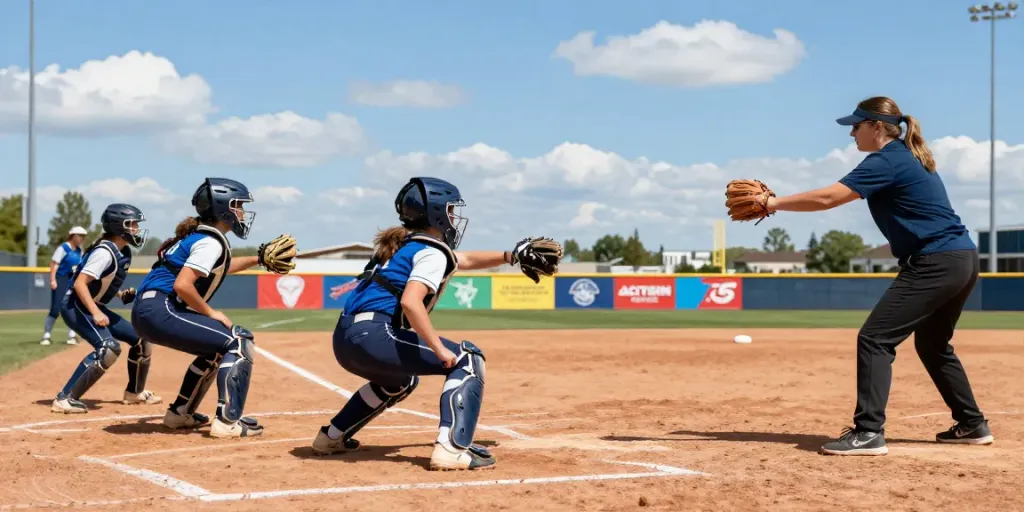
Understanding Fastpitch Softball Catcher's Gear
Fastpitch softball catcher's gear is an essential component of the game, specifically designed to protect players who fulfill this critical position behind the plate. The gear not only serves to shield the catcher from fast pitches and foul balls, but it also plays a vital role in enhancing their performance by improving mobility, visibility, and comfort. As the sport continues to evolve, so does the technology and design of catcher’s gear. When exploring options, Fastpitch Softball Catcher's Gear collections offer a wide range of choices that cater to players at all levels.
What is Fastpitch Softball Catcher's Gear?
Fastpitch softball catcher's gear refers to the protective equipment specifically designed for catchers in fastpitch softball games. This gear typically includes a helmet with a face mask, chest protector, leg guards, and a special catcher's mitt. Each piece serves a unique purpose to ensure the safety and effectiveness of the player during a game. The gear is designed to withstand the rigors of competitive play while allowing for optimal movement and flexibility behind the plate.
Importance of Proper Catcher's Gear
Proper catcher's gear is crucial for several reasons:
- Protection: The primary function of catcher's gear is to absorb the impact of fast pitches and prevent injuries. This is especially important given the increasing speed of pitches at higher levels.
- Performance: Well-fitted gear enhances mobility and allows catchers to move quickly, facilitating better throws to bases and defensive plays. The right equipment also helps with tracking pitches and executing blocking techniques.
- Confidence: Wearing reliable and well-constructed gear gives catchers the confidence to perform their duties without the distraction of potential injuries.
Components of Catcher's Gear
Understanding the components of catcher's gear is essential for selecting the right equipment:
- Helmet and Face Mask: Protects the head and face from high-speed pitches and foul tips. Many models now come with advanced padding and improved visibility features.
- Chest Protector: Guards the torso and vital organs from the impact of baseballs. It needs to be fitted properly to provide maximum protection while allowing freedom of movement.
- Leg Guards: Protect the thighs and knees from hard pitches and collisions. They should be lightweight and designed to enhance movement.
- Catcher's Mitt: Specifically designed to catch fast-moving balls efficiently. Different brands and models vary in size, shape, and padding.
Choosing the Right Fastpitch Softball Catcher's Gear
Selecting the right gear can make a significant difference in a player's performance and safety. Factors influencing this choice include the player's age, skill level, and specific needs. Understanding brand offerings, such as those from All-Star, Easton, and Rawlings, can also aid players and coaches in making informed decisions.
Factors Influencing Gear Selection
When choosing catcher's gear, consider the following factors:
- Age and Skill Level: Different age groups and skill levels have varying requirements for protection and functionality. Younger players may need more lightweight gear that allows for easy movement, while older, competitive players often require more advanced protection.
- Fit and Comfort: It is crucial for catcher's gear to fit well. Ill-fitting gear can hinder performance and lead to injuries. Players should try on gear to ensure it allows for proper movement without being too tight or heavy.
- Brand Trust and Reviews: Always research brands and look for reviews from other players. Brands like All-Star, Easton, and Rawlings have established reputations for quality and durability.
Sizes and Fits for All Players
Finding the right sizes and fits is essential for comfort and performance. Most gear comes in various sizes, often categorized as Youth, Intermediate, and Senior. It's important to check the sizing charts provided by manufacturers to ensure a perfect fit. Youth players should also be aware that gear may need to be updated as they grow, while serious athletes at the collegiate level will likely invest in higher-quality options that offer enhanced protection.
Brand Comparisons: Easton, Rawlings, All-Star
Each brand offers unique features and benefits:
- All-Star: Known for their high-quality materials and custom fits, All-Star gear is favored by many collegiate and professional catchers for its reliability.
- Easton: Offers a variety of designs that focus on both safety and performance. Their gear often includes advanced padding and lightweight materials, making it popular among competitive players.
- Rawlings: A classic name in baseball and softball, Rawlings gear is known for its durability and craftsmanship, making it a popular choice for serious athletes.
Maintenance of Catcher's Gear for Longevity
Proper maintenance of catcher's gear is essential for extending its lifespan and performance. Regular cleaning and careful storage can prevent premature wear and keep players safe.
Cleaning Techniques for Gear
To maintain catcher's gear, follow these cleaning techniques:
- Wipe Down After Use: Always wipe down the gear with a damp cloth after games and practice to remove dirt and sweat.
- Deep Cleaning: For more thorough cleaning, use a mix of mild soap and water. Avoid harsh chemicals that could damage the materials.
- Dry Properly: Allow gear to air dry completely in a shaded area. Never place it in direct sunlight, as UV rays can degrade the materials.
Storage Tips for Protecting Equipment
Proper storage extends the life of catcher's gear:
- Avoid Moisture: Ensure gear is completely dry before storing to prevent mold and mildew.
- Use Gear Bags: Invest in a high-quality gear bag that can organize and protect equipment during transport and storage.
- Store in a Cool, Dry Place: Avoid placing gear in overly hot or humid environments which can warp or degrade materials.
Recognizing Wear and Tear
Players should routinely check their gear for signs of wear and tear, such as:
- Visible Damage: Look for cracks or dents in helmets and leg guards that could compromise safety.
- Padded Sections: Check for flattened or worn pads which may not provide optimal protection anymore.
- Stitching and Seams: Inspect stitching for fraying or splitting, which could lead to equipment failure.
Trends and Innovations in Fastpitch Softball Catcher's Gear (2026)
The landscape of catcher's gear is continuously evolving thanks to advancements in technology and material science. Staying informed about the latest trends can enhance both performance and safety for players.
Advancements in Material Technology
Innovations are focusing on lightweight, yet highly protective materials. Some manufacturers are now incorporating advanced composites and high-tech foams that improve both shock absorption and breathability. This allows for greater comfort without sacrificing safety, giving catchers more freedom to move and react.
Improving Safety Features
Safety is paramount in the design of catcher's gear. New helmets now come equipped with impact-absorbing technology that reduces the risk of concussions, while enhanced chest protectors integrate additional padding to cover vulnerable areas more effectively. These innovations are reflective of the industry's commitment to player safety.
Customization Options for Personal Expression
Another exciting trend is the growing availability of customizable gear. Players can now choose colors, designs, and even personalize their gear with names or numbers. This not only fosters team spirit but also allows players to express their individuality on the field.
Expert Tips for Young Athletes
For young catchers, building confidence and developing skills is essential. Here are some expert tips to help young athletes thrive in their position behind the plate.
Building Confidence Behind the Plate
The psychological aspect of catching is just as important as the physical. Young athletes should focus on fostering confidence by:
- Practice: Regular practice builds muscle memory and familiarity with pitches.
- Positive Mindset: Encourage a focus on improvement rather than perfection, which will ease performance anxiety.
- Mentorship: Learning from experienced players can provide insights and encouragement that boost confidence.
Training Drills for Catchers
To improve skills, young catchers should incorporate specific drills into their training regimen:
- Blocking Drills: Practice blocking pitches in various locations to improve reaction time.
- Throwing Drills: Develop strong throwing techniques to improve accuracy and speed when throwing to bases.
- Ball Tracking: Work on techniques to track the ball effectively for better catching and framing.
Advice from Professional Players
Listening to advice from professional catchers can provide valuable insights. Players often highlight the importance of:
- Staying Focused: Catchers need to maintain focus on every pitch, as they are vital to the team's performance.
- Communication: Develop strong communication skills with pitchers and teammates to enhance game strategy and execution.
- Enjoy the Game: Remembering to have fun and enjoy the game is crucial for sustaining a long career in softball.
What is the best catcher's gear for fastpitch softball?
The best catcher's gear varies depending on individual preferences, age, and level of play. Brands such as All-Star, Rawlings, and Easton offer some of the highest quality equipment that meets the needs of different players.
What does a catcher wear in softball?
A catcher in softball typically wears a helmet with a face mask, chest protector, leg guards, and a specialized catcher's mitt. Each component is designed to provide optimal protection and performance.
How to choose the right softball catcher's gear?
Choosing the right gear involves understanding the player's age, size, and level of play. It's essential to consider how the gear fits and performs, and to research reputable brands.
What size softball catcher's gear do I need?
Size varies by manufacturer, but generally, gear is available in youth, intermediate, and adult sizes. Always check sizing charts provided by the manufacturer for the best fit.
How can I maintain my catcher's gear effectively?
Regular cleaning, proper storage, and routine inspections for wear and tear will help maintain catcher's gear effectively. Following specific care guidelines for each piece of equipment is key to ensuring longevity.