Understanding the Benefits of a Wifi Sprinkler Controller
As water conservation becomes increasingly important in the face of climate change and water shortages, homeowners are turning to advanced technologies to optimize their irrigation systems. A wifi sprinkler controller offers a modern solution that not only saves water but also enhances the overall health of your garden or lawn. This article delves into the multifaceted benefits of these cutting-edge devices, examining what they are, their advantages over traditional systems, and the potential water savings they can provide.
What is a Wifi Sprinkler Controller?
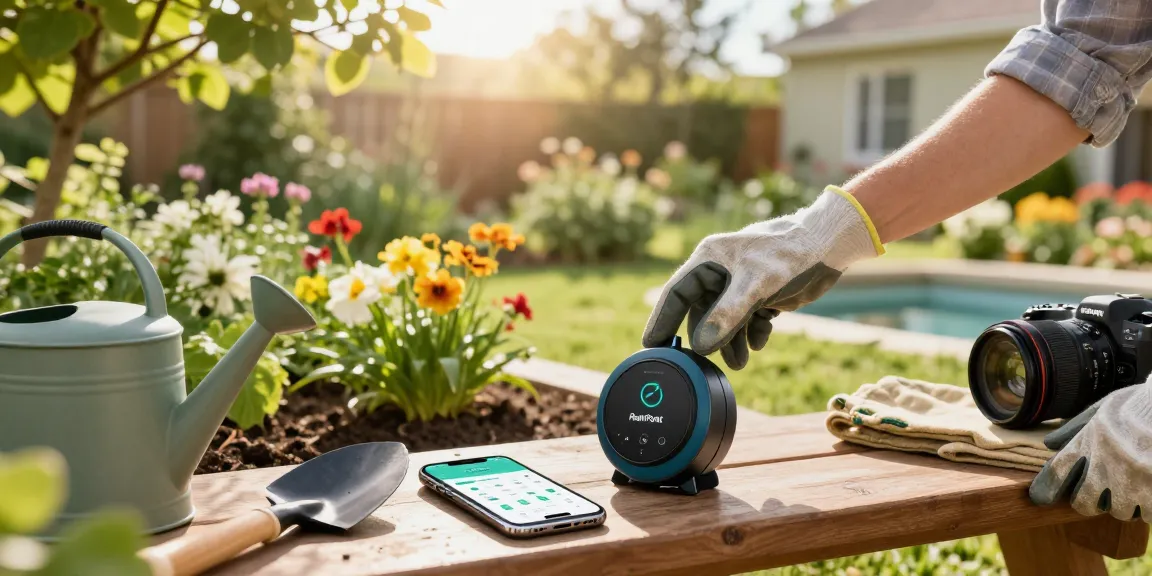
A wifi sprinkler controller, often referred to as a smart irrigation controller, is a device that automates the watering of your garden or lawn by connecting to your home’s wireless network. This connection allows the controller to receive and analyze data in real-time, enabling precise irrigation based on various factors such as weather forecasts, soil moisture levels, and specific plant needs. The integration of smart technology into irrigation systems represents a significant leap forward from the manual timers and traditional hose systems that are often inefficient and require constant monitoring.
Advantages Over Traditional Watering Systems
- Automated Scheduling: Wifi controllers allow for flexible scheduling, meaning you can set specific times and frequencies for watering based on your garden’s unique requirements.
- Water Efficiency: With the ability to monitor weather data, wifi sprinkler controllers can adjust or skip watering sessions during rainfall, effectively preventing overwatering.
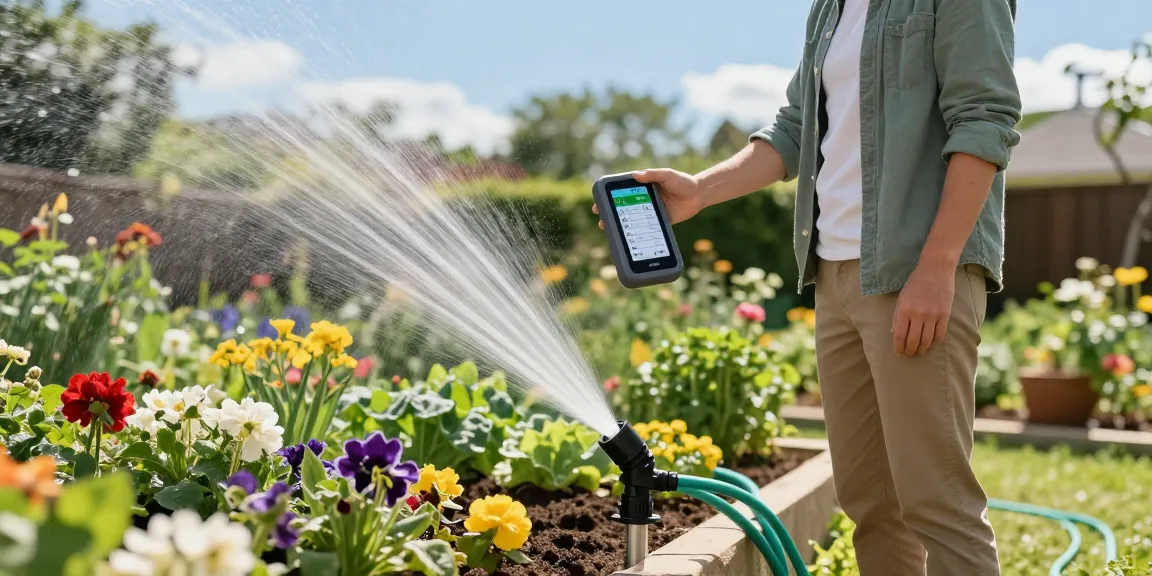
- Remote Access: Homeowners can control their irrigation systems from anywhere via smartphone apps, allowing for adjustments on-the-go and greater convenience.
- Data-Driven Insights: Many models provide data on water usage and soil moisture levels, helping gardeners make informed decisions about their irrigation habits.
How Much Water Can You Save?
The potential for water conservation using wifi sprinkler controllers is substantial. Research indicates that smart irrigation systems can reduce water usage by up to 50%, depending on the type of plants and environmental conditions. For instance, if you typically water your garden with a traditional timer system, you might generate significant savings by utilizing a wifi-enabled device that adjusts watering schedules based on current weather conditions. By reducing unnecessary watering, homeowners not only conserve water but also lower their utility bills, making it a financially sound investment.
Choosing the Right Wifi Sprinkler Controller for Your Needs
Selecting the ideal wifi sprinkler controller involves evaluating various factors to ensure that the chosen model meets your specific watering requirements. Here are some key considerations when making your decision.
Key Features to Look For
- Zone Control: Ensure that the controller can manage multiple zones, especially if your garden includes a variety of plants with different water needs.
- Weather Adaptability: Look for models equipped with weather sensors or integration with local weather data to automatically adjust schedules accordingly.
- Soil Moisture Sensors: These sensors detect the moisture levels in the soil, preventing over- or under-watering by triggering irrigation only when necessary.
- User-Friendly App: A well-designed app interface can significantly enhance your experience of managing the system, providing ease of access and control.
Comparing Popular Models and Brands
There are several reputable brands in the market today that offer wifi sprinkler controllers, each with unique features and pricing. Brands like RainPoint, Rachio, and Orbit provide models suited for various garden sizes and complexities. When comparing options, consider factors such as ease of installation, user reviews, and warranty coverage. It’s wise to look for models that have been well-reviewed for reliability and customer support.
How to Assess Your Garden’s Watering Needs
Understanding your garden’s specific watering requirements is crucial in selecting the right wifi sprinkler controller. Factors to consider include:
- Plant Types: Different plants have varying water needs; consider grouping plants with similar requirements.
- Soil Type: Clay, sandy, or loamy soils absorb water differently and will influence your irrigation needs.
- Sun Exposure: Areas of your garden that receive full sun may need more frequent watering compared to shaded regions.
Installation and Setup of Wifi Sprinkler Controllers
Installing a wifi sprinkler controller can seem daunting, but with a clear step-by-step approach, you can set up your system effectively. Here’s a breakdown of the installation process.
Step-by-Step Installation Process
- Gather Necessary Tools: Ensure you have all required tools ready, such as screwdrivers, wire cutters, and a drill.
- Turn Off Water Supply: Before installing, make sure to shut off the water supply to avoid leaks during the process.
- Remove Old Controller: If replacing an existing unit, follow the instructions to disconnect the old system carefully.
- Install New Controller: Mount the new wifi controller according to the manufacturer’s guidelines, ensuring it is securely attached to the desired location.
- Connect Wiring: Connect the sprinkler zone wires from your irrigation system to the new controller, paying attention to color codes.
- Power Up: Turn on the power supply and check that the controller is functioning correctly.
Common Issues During Setup and How to Fix Them
As with any technology, challenges may arise during installation. Here are some common issues and troubleshooting tips:
- Wifi Connectivity Issues: Ensure your controller is within range of your wifi signal. If not, consider using a wifi extender.
- Zone Not Activating: Double-check wiring connections to ensure they are secure and correctly positioned.
- App Not Syncing: Restart both the app and the controller, and ensure you have the latest version of the app.
Connecting to Your Home Wifi Network
Connecting your wifi sprinkler controller to your home network is a crucial step that enables remote access and control. Typically, this process involves:
- Accessing the device settings through the controller interface or app.
- Selecting your home wifi network and entering the password when prompted.
- Waiting for the connection to establish, which may take a few moments.
- Testing the connection by attempting to access the controller via the app.
Maximizing Efficiency with Smart Features
To fully leverage the benefits of a wifi sprinkler controller, it’s essential to utilize the smart features available. Here are some ways to maximize efficiency.
Utilizing Soil Moisture Sensors
Soil moisture sensors are pivotal in optimizing irrigation schedules. By integrating these sensors with your wifi controller, you can ensure that your plants receive the right amount of water at the right time. This technology allows the system to differentiate between well-watered soil and dry soil, hence preventing water waste.
Scheduling and Automating Your Watering
Creating a watering schedule is important for plant health and efficient water use. Utilize the features of your wifi sprinkler controller to establish a personalized watering regimen based on:
- Time of day: Watering early in the morning or late in the evening minimizes evaporation.
- Weather patterns: Set the system to skip watering before expected rain to conserve water.
- Plant requirements: Adjust schedules based on the water needs of different plants.
Integrating with Smart Home Systems
Many modern wifi sprinkler controllers can integrate with smart home systems like Amazon Alexa or Google Home. This integration allows for voice-activated controls and seamless management of your entire irrigation system alongside other smart home devices, providing enhanced convenience and efficiency.
Future Trends in Smart Irrigation Technology for 2026
The world of smart irrigation technology is evolving rapidly, and several trends are expected to shape the future landscape of home gardening and landscape management by 2026.
Emerging Technologies in Landscape Management
As the demand for efficient water use grows, emerging technologies such as AI and machine learning are being integrated into wifi sprinkler controllers. These advancements will enable systems to analyze data trends over time, allowing for further optimization of watering schedules based on plant growth cycles and environmental changes.
Eco-Friendly Innovations in Water Conservation
With increasing awareness of environmental issues, future wifi sprinkler controllers are likely to incorporate more eco-friendly features, such as rainwater harvesting options and solar power capabilities, making them an even more sustainable choice for homeowners.
Predictions for Home Gardening in the Next Decade
As smart technology continues to infiltrate gardening practices, the next decade may see a rise in urban gardening and vertical gardens supported by advanced irrigation systems. Homeowners will increasingly rely on wifi sprinkler controllers with real-time data analytics to achieve lush gardens even in constrained spaces.
What are the Key Features of the Latest Wifi Sprinkler Controllers?
The latest models are equipped with features such as cloud-based control, machine learning capabilities, and advanced predictive analytics, which are designed to provide homeowners with the most efficient and effective irrigation solutions available.
How Do Wifi Sprinkler Controllers Contribute to Water Conservation?
By utilizing data to inform irrigation decisions, wifi sprinkler controllers play a crucial role in reducing water wastage. Their ability to adapt to changing weather conditions and monitor soil moisture directly contributes to significant water conservation efforts.
Can I Use a Wifi Sprinkler Controller for Indoor Plants?
Absolutely! Many wifi sprinkler controllers can be adapted for indoor use, allowing you to manage the watering of houseplants and indoor gardens efficiently, ensuring they receive the appropriate amount of moisture without manual intervention.
What Should I Consider Before Upgrading My Watering System?
Before upgrading, evaluate your current system’s performance, identify specific pain points, and consider the size and type of your garden. Understanding your landscape’s unique needs will ensure you choose a wifi sprinkler controller that enhances your gardening experience without causing frustration.
Are Wifi Sprinkler Controllers Worth the Investment?
While the initial cost of a wifi sprinkler controller may seem higher than conventional systems, the long-term savings on water bills, reduced labor, and improved plant health make it a worthwhile investment for many homeowners.