Understanding Attractiveness Tests
As society continues to evolve, the concept of attractiveness remains a significant aspect of interpersonal interactions. Attractiveness tests have emerged as a new way to quantify beauty, particularly through the lens of artificial intelligence and social media. These tests are gaining popularity as tools for self-reflection, offering individuals insights into societal beauty standards and personal perception. If you’re curious about your attractiveness level, platforms like test attractiveness can provide a unique perspective on how your features align with conventional beauty ideals.
What is an Attractiveness Test?
An attractiveness test is a tool designed to measure and evaluate facial features based on various criteria tied to beauty standards. These tests often utilize AI technology to analyze facial symmetry, proportions, and other aesthetic factors to assign a numerical score. Typically, the scores range from 1 to 10 or 0 to 100, with higher scores indicating greater perceived attractiveness.
How Do Attractiveness Tests Work?
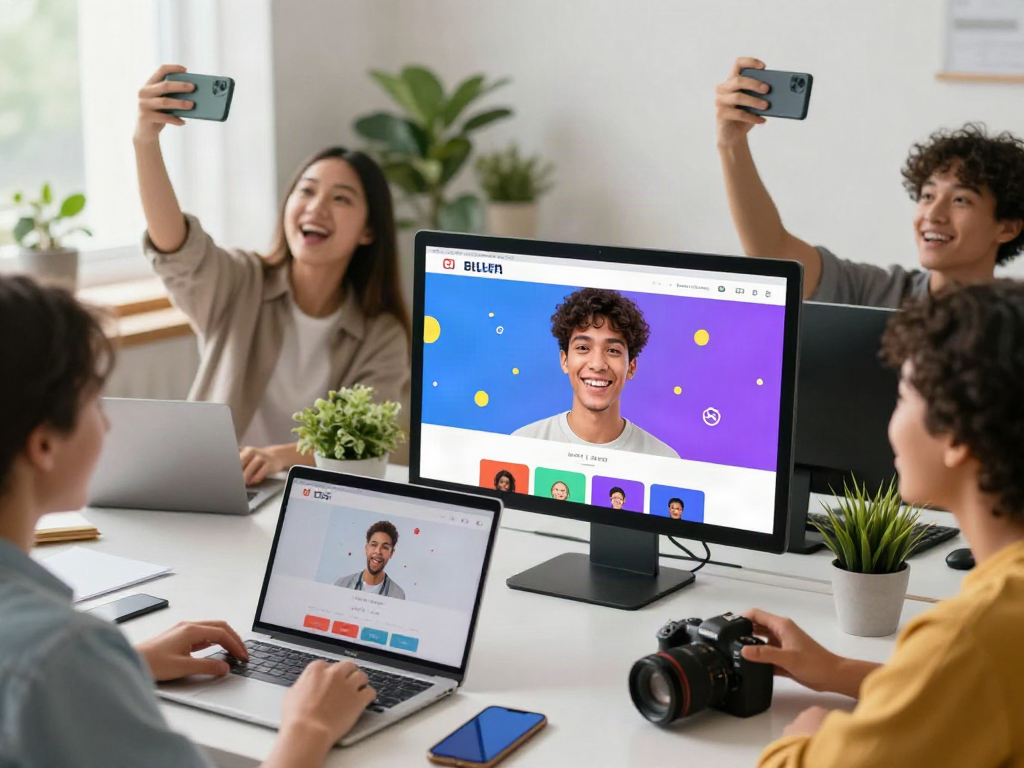
Attractiveness tests primarily rely on algorithms that assess key facial attributes. For instance, many tests use principles such as the golden ratio, which highlights the ideal proportions for a pleasing appearance. In addition, tests may consider factors like facial symmetry, skin quality, and even angles like the canthal tilt. Users typically upload a photo, which the software then analyzes to produce an attractiveness score along with feedback on specific features.
Common Misconceptions About Attractiveness
Many misunderstand the purpose of attractiveness tests, believing they provide an absolute measure of worth. It's essential to recognize these tests are not definitive assessments of beauty but rather reflections of societal norms. Additionally, attractiveness is subjective and varies across cultures and individual preferences, emphasizing the importance of personal perspectives in discussions about beauty.
The Psychology Behind Attractiveness
Self-Perception and Beauty Standards
Self-perception plays a crucial role in how individuals view their attractiveness. Beauty standards can heavily influence self-esteem, often leading people to compare themselves against idealized images seen in media and social platforms. This comparison can have adverse effects, fostering feelings of inadequacy or low self-worth, especially when individuals perceive themselves as falling short of these standards.
Impact of Social Media on Perceived Attractiveness
Social media platforms are significant contributors to the evolving standards of beauty. With the rise of image-centric platforms like Instagram and TikTok, users often encounter edited and curated images that set unrealistic expectations. The phenomenon of “likes” and comments further complicates the landscape, where validation and self-worth are frequently tied to visual appeal.
How Attractiveness Affects Social Interaction
Attractiveness can profoundly impact social interactions, affecting everything from personal relationships to professional opportunities. Studies suggest that attractive individuals may receive preferential treatment, influencing hiring processes and social dynamics. Understanding this can help individuals navigate their interactions, fostering more inclusive environments that prioritize character and skills over appearance alone.
Utilizing Attractiveness Tests Effectively
Choosing the Right Attractiveness Test
With various options available, it's vital to select an attractiveness test that aligns with your goals. Consider the features of different tests, such as the methodologies they employ and the depth of analysis provided. Tests that offer a more comprehensive review of your facial features, including qualitative feedback, can be particularly beneficial for those looking to enhance their self-image.
Analyzing Your Results: What They Mean
Upon receiving your results from an attractiveness test, take time to reflect on the feedback. Scores and comments should be viewed as constructive rather than judgmental. Understanding which features contribute positively to your score can help you appreciate your unique beauty while identifying aspects you might want to improve.
Using Feedback for Personal Growth
Feedback from attractiveness tests can serve as a springboard for personal development. Whether it inspires changes in grooming practices, enhances self-care routines, or encourages a healthier lifestyle, taking proactive steps can lead to a stronger self-image. Remember, the goal is personal growth rather than conforming to external expectations.
Building Confidence Through Self-Acceptance
Positive Affirmations: A Tool for Confidence
Engaging in positive affirmations can bolster self-esteem and promote a healthier self-image. Regularly reinforcing positive beliefs about oneself can mitigate the negative impacts of societal standards. Phrases like “I am enough” or “My value extends beyond my appearance” can foster a more positive self-concept, ultimately contributing to overall well-being.
Practicing Self-Care for Enhanced Self-Image
Self-care goes beyond physical appearance; it encompasses emotional and mental well-being as well. Engaging in activities that nourish your mind and spirit—such as meditation, exercise, or hobbies—can enhance your self-image. Balancing self-care routines with personal goals can lead to a more holistic approach to attractiveness.
Community Support: Sharing Experiences
Building connections with others can significantly influence self-esteem. Sharing experiences regarding attractiveness, beauty standards, and personal growth with a supportive community fosters a sense of belonging. Online forums, social media discussions, or local meetups can provide spaces to exchange insights and encouragement.
Trends in Attractiveness Testing for 2026
AI Innovations in Attractiveness Analysis
As technology advances, the methodologies behind attractiveness tests are becoming increasingly sophisticated. Innovations in AI are leading to more accurate analyses that can consider a broader range of factors, including emotional expressions and personality traits. These developments aim to create a more holistic view of attractiveness that transcends physical appearance alone.
Future Changes in Beauty Standards and Testing
Beauty standards are continuously evolving due to cultural shifts and increased awareness of diversity and inclusivity. Future attractiveness tests may adapt by incorporating a wider array of features, reflecting the beauty in different ethnicities, body types, and aesthetic expressions. Embracing this diversity is crucial in re-defining what it means to be attractive.
Preparing for a Healthier Approach to Attractiveness
As discussions around body positivity and self-acceptance gain traction, it's essential to approach attractiveness tests with a mindset geared toward personal growth rather than competition. Striving for self-improvement while appreciating your uniqueness will foster resilience against the pressures of societal expectations.
How Can I Test My Attractiveness?
To test your attractiveness, you can utilize various online platforms that offer facial analysis through AI programs. These services typically require you to upload a clear photo for accurate results, enabling you to receive a score based on established beauty metrics.
Is 7 Out of 10 Considered Attractive?
A score of 7 out of 10 generally indicates that an individual is perceived as attractive, though interpretations can vary. Many perceive scores in this range positively, suggesting a balance of aesthetic appeal without necessarily adhering to all conventional beauty standards.
Is There an Accurate Attractiveness Test?
The accuracy of attractiveness tests can vary significantly based on the algorithms used and the criteria evaluated. While some tests provide more reliable insights, it's crucial to approach them with the understanding that beauty is subjective and fluid.
Is a 6.5 Out of 10 Attractive?
A score of 6.5 can certainly be considered attractive, depending on individual perspectives. It suggests that the person possesses appealing features and characteristics that may resonate positively with others. Ultimately, attractiveness transcends numerical values, encompassing personality and presence as well.