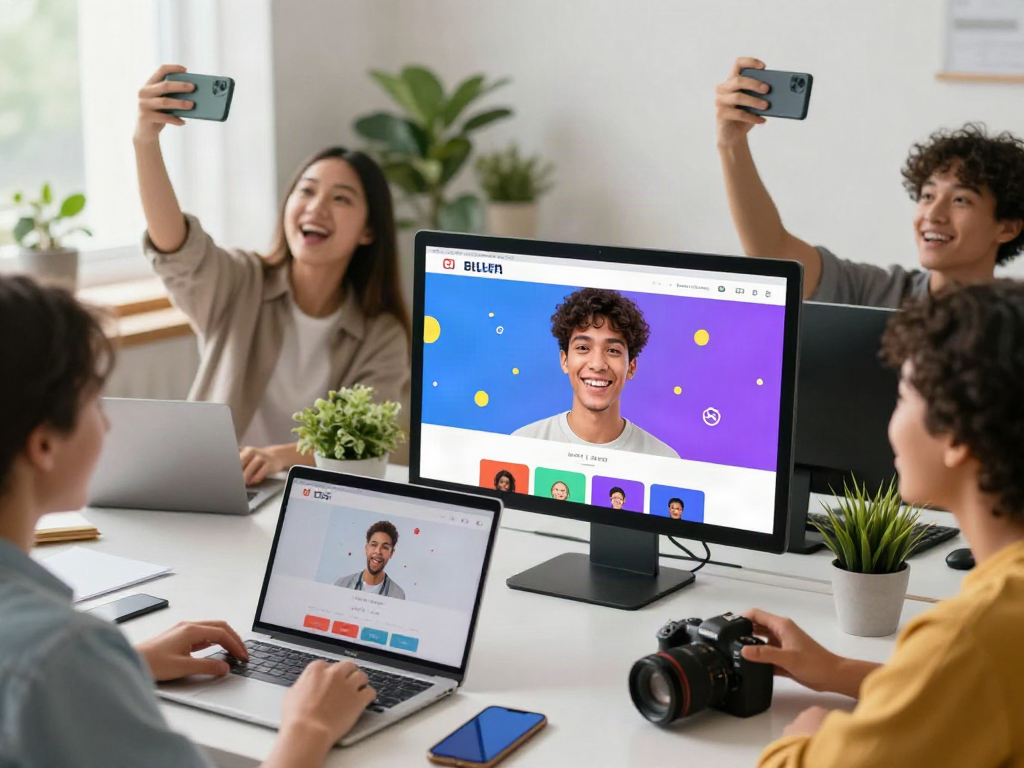
Understanding the Concept of Age Estimation
In an era where digital interactions dominate, the query "how old do I look" has sparked considerable curiosity. The advancement of technology allows us to assess our perceived age through various tools, primarily powered by artificial intelligence (AI). Age estimation tools merge science with a touch of fun, enabling users to upload photographs and receive instantaneous feedback on their facial age. This not only piques personal interest but also taps into broader societal themes surrounding age perception and self-image. When exploring options, how old do I look provides comprehensive insights into these engaging tools.
What Does "How Old Do I Look" Mean?
The phrase "how old do I look" invites individuals to reflect on their facial appearance relative to their actual age. While it may seem superficial, this question often reveals deeper societal preoccupations with youthfulness and beauty standards. Through age estimation technologies, users can gain insights not only into their perceived age but also into how their features align with societal expectations. This engagement often serves as a conversation starter, sparking discussions about aging and beauty norms in various cultural contexts.
The Science Behind Age Estimation Technology
Age estimation technology primarily relies on sophisticated algorithms that analyze various facial features, such as wrinkles, skin texture, and overall facial symmetry. These algorithms have been trained using vast datasets of facial images across different age groups, allowing them to provide remarkably accurate estimates. The predictive model considers various factors such as genetics, environment, and lifestyle, making the results not just fun but also intriguingly informative.
Common Misconceptions About Facial Age Analysis
Despite the technological marvel, many misconceptions surround facial age analysis. One common belief is that these tools can definitively determine a person's biological age. In reality, they provide estimates based on average data and trends. Additionally, some users may assume that results are influenced solely by visible signs of aging, neglecting factors like lighting, photo quality, and even facial expressions during the image capture process.
Key Technologies Driving Age Estimation Tools
AI and Machine Learning in Age Estimation
Artificial intelligence and machine learning are the backbone of modern age estimation tools. By employing deep learning techniques, these systems analyze millions of images to identify patterns associated with aging. For instance, neural networks can detect subtle differences in skin texture and elasticity, which are strong indicators of age. Moreover, continuous learning from user interactions enables these platforms to enhance their accuracy over time.
Image Processing Techniques Explained
Image processing techniques play a crucial role in delivering precise age estimates. Several methods, such as facial landmark detection, segmentation, and feature extraction, are employed to isolate specific aspects of the face. For example, algorithms can identify and analyze wrinkles around the eyes or mouth, which tend to deepen with age. These techniques work in concert to provide a comprehensive analysis leading to a more reliable age estimation.
Privacy Concerns and Ethical Considerations
As with many technologies that utilize user data, privacy and ethical considerations are paramount in age estimation tools. Users must be aware that uploading their photographs raises potential privacy issues, such as unauthorized data usage or exposure of personal identities. Developers of these tools are increasingly adopting regulations and best practices to safeguard user privacy, ensuring that data is anonymized and secure.
Best Practices for Using Age Estimation Tools
Choosing the Right Platform for Accurate Results
With numerous platforms available, selecting the right one is crucial for obtaining reliable age estimations. Users should look for tools that disclose their underlying technology, user reviews, and any affiliations with reputable organizations. Trustworthy platforms often emphasize their use of AI and adhere to ethical guidelines to protect user data.
How to Prepare Your Photo for Best Results
To enhance the accuracy of age estimation results, users should follow specific guidelines when preparing their photos. High-resolution images taken in natural light tend to yield the best outcomes. Avoiding heavy makeup and extreme facial expressions can also help the algorithm analyze the face more effectively. Clear, unobstructed images ensure that the algorithms focus on the relevant features for assessment.
Understanding the Results: What to Expect?
Upon analyzing a photo, users will receive an age estimate based on the tool's algorithms. However, it’s essential to approach these results with some skepticism; they represent statistical averages rather than definitive truths. Individuals should consider these insights as part of a broader narrative about aging rather than an absolute metric.
Engaging Features in Modern Age Estimation Tools
Interactive Elements That Enhance User Experience
Modern age estimation tools often incorporate interactive elements to boost user engagement. Features like “compare your age with friends” or real-time facial analysis add a layer of fun and social interaction. These gamified aspects encourage users to share their results and engage with the platform regularly, thus enhancing user retention.
Social Sharing and Community Engagement
Many age estimation platforms now include social sharing functionalities, allowing users to post their results directly to social media. This not only amplifies the service's reach but also fosters a sense of community among users who enjoy discussing their experiences. Such sharing can even contribute to viral trends, encouraging more people to explore their perceived age.
Trends in Gamification of Age Estimation Apps
In recent years, gamification has emerged as a significant trend within age estimation applications. By integrating game-like elements—such as rewards for frequent use or competitions to guess ages—these platforms keep users engaged and enhance the overall experience. Gamification not only leads to increased user satisfaction but also results in more frequent interactions with the technology.
Looking Ahead: The Future of Age Estimation in 2026
Emerging Technologies to Watch
The landscape of age estimation tools is continuously evolving. Emerging technologies such as augmented reality (AR) and advanced facial recognition software promise to refine how we interact with these platforms. AR could allow users to visualize their aging effects dynamically, while improved algorithms will enhance accuracy.
Potential Applications in Different Industries
Beyond personal use, age estimation technology holds potential applications in various fields. For instance, the beauty industry is already utilizing these tools for personalized skincare recommendations. Similarly, healthcare providers might adopt such technologies for patient assessments related to aging-related conditions, showcasing a broader utility for these innovations.
Consumer Trends and Public Perception
As age estimation tools gain popularity, consumer trends indicate a growing acceptance of digital age analysis. However, public perception remains mixed, with some viewing these tools as a fun novelty while others raise concerns regarding privacy and the accuracy of results. Addressing these concerns will be crucial as the industry grows, ensuring that users feel confident in utilizing these technologies.
How accurate are the online tools for estimating age?
The accuracy of online tools for estimating age can vary significantly based on the underlying technology and algorithms used. While many tools boast impressive accuracy, it is essential to remember that results are approximations based on statistical data, not precise measurements. Users should use these tools for entertainment and self-reflection rather than as definitive assessments of their biological age.
Can you trust the results provided by AI age estimators?
Trusting the results from AI age estimators depends on several factors, including the credibility of the platform and the quality of the algorithms used. Established platforms with transparent methodologies tend to provide more reliable results. Users are encouraged to compare results from multiple sources to gauge a more accurate average.
What factors influence the accuracy of age estimation?
Several factors can influence the accuracy of age estimation results, including photo quality, lighting conditions, and facial expressions at the time of capture. Additionally, the demographic diversity of the data used to train the algorithms can affect outcomes, as models trained predominantly on specific age groups or ethnicities may not generalize well across a broader population.
Are there age estimation tools for professionals?
Yes, there are age estimation tools specifically designed for professionals in fields such as dermatology, cosmetology, and even law enforcement. These tools often feature advanced analytics and tailored functionalities to assist professionals in assessing age-related factors more accurately for their specific contexts.
How does age estimation impact social media engagement?
Age estimation tools can significantly impact social media engagement by encouraging users to share their age-related results. This sharing fosters community interaction and can lead to increased visibility for brands that incorporate these tools into their marketing strategies. As users engage more with age estimation technologies, brands may leverage this trend to attract and retain customers through personalized experiences.